

Developing country voices at COP will help call for limiting global warming to “well below” 2 degrees and providing US$100 billion per year for poorer nations to deal with climate change

This year’s UN Climate Change Conference, known as COP 26, is a pivotal moment in the world’s efforts to fight climate change.
The 12-day meeting, which begins on 31st October in Scotland, will see countries decide what they are going to do to fight climate change and deal with the effects that are already here.
Although Somalia is one of the lowest global emitters of climate changing gases, it is among the most at risk from the worsening effects of a warming planet. As such, it has a vital interest in seeing COP 26 achieve its two main goals: first to have countries commit to the action necessary to keep global temperature rises to 2 degrees or below (and to aim for 1.5 degrees), and second to make sure that richer countries transfer at least US$100 billion a year to developing countries to help them reduce emissions and support people to adapt to new conditions.
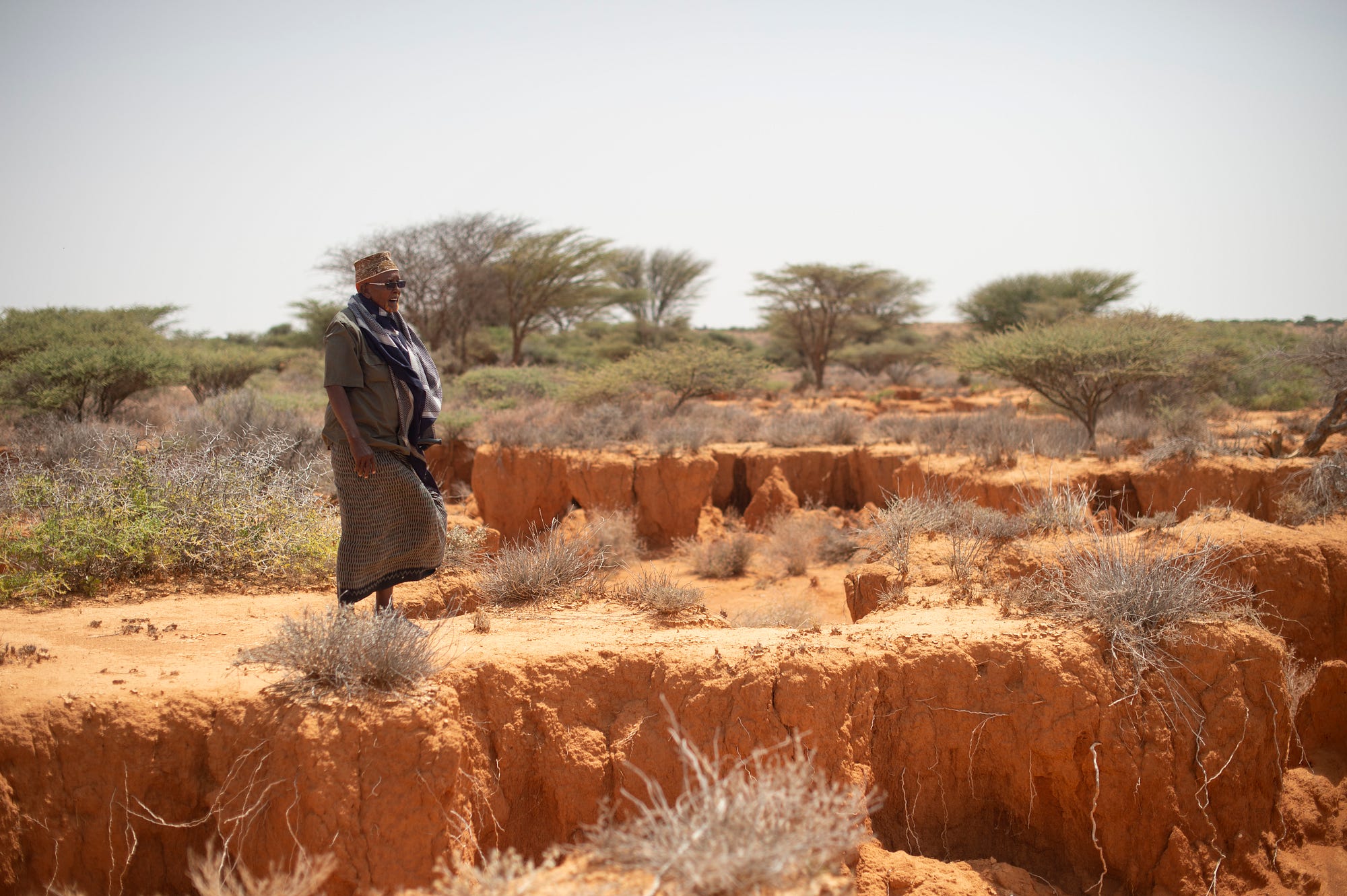
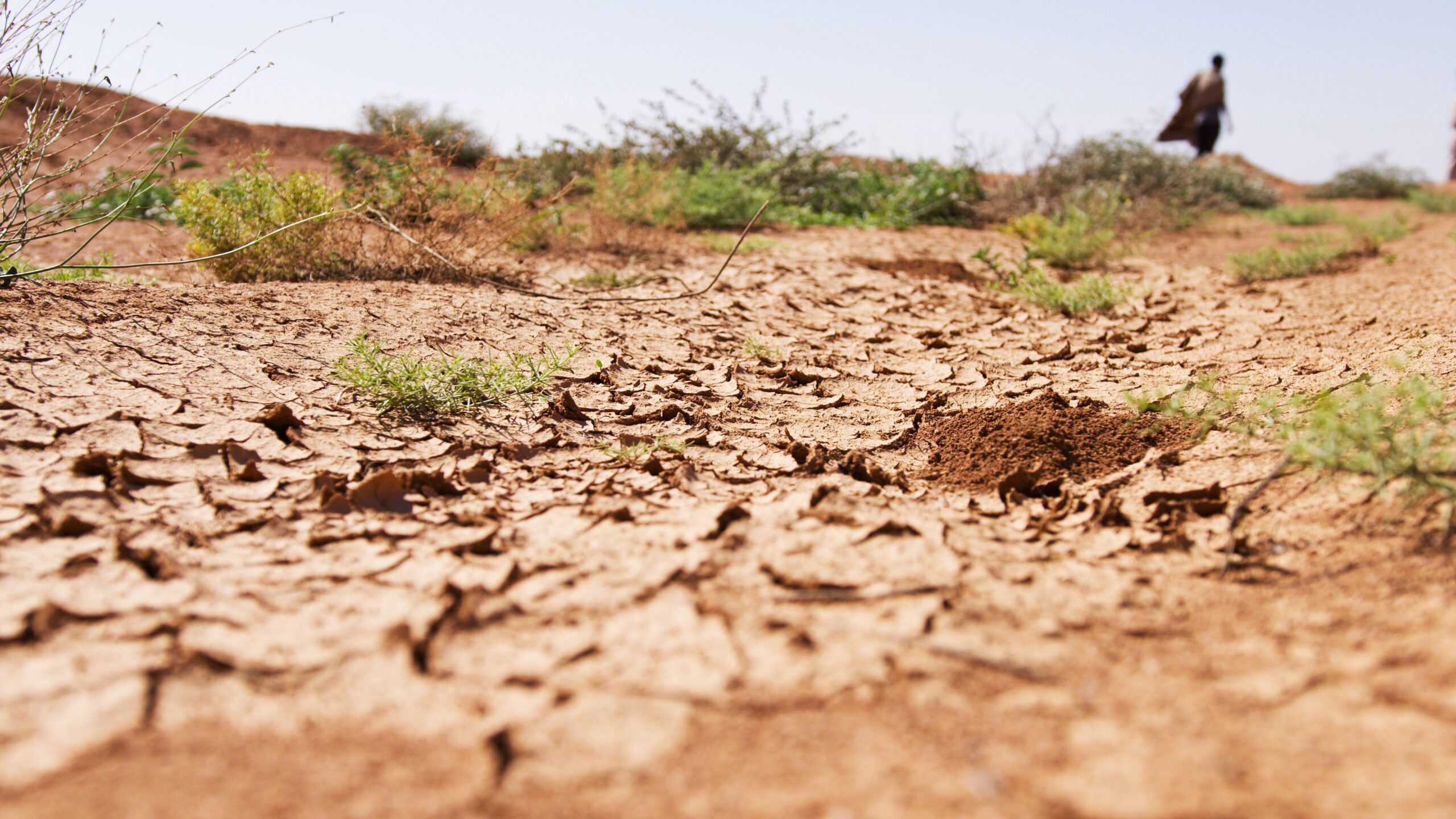
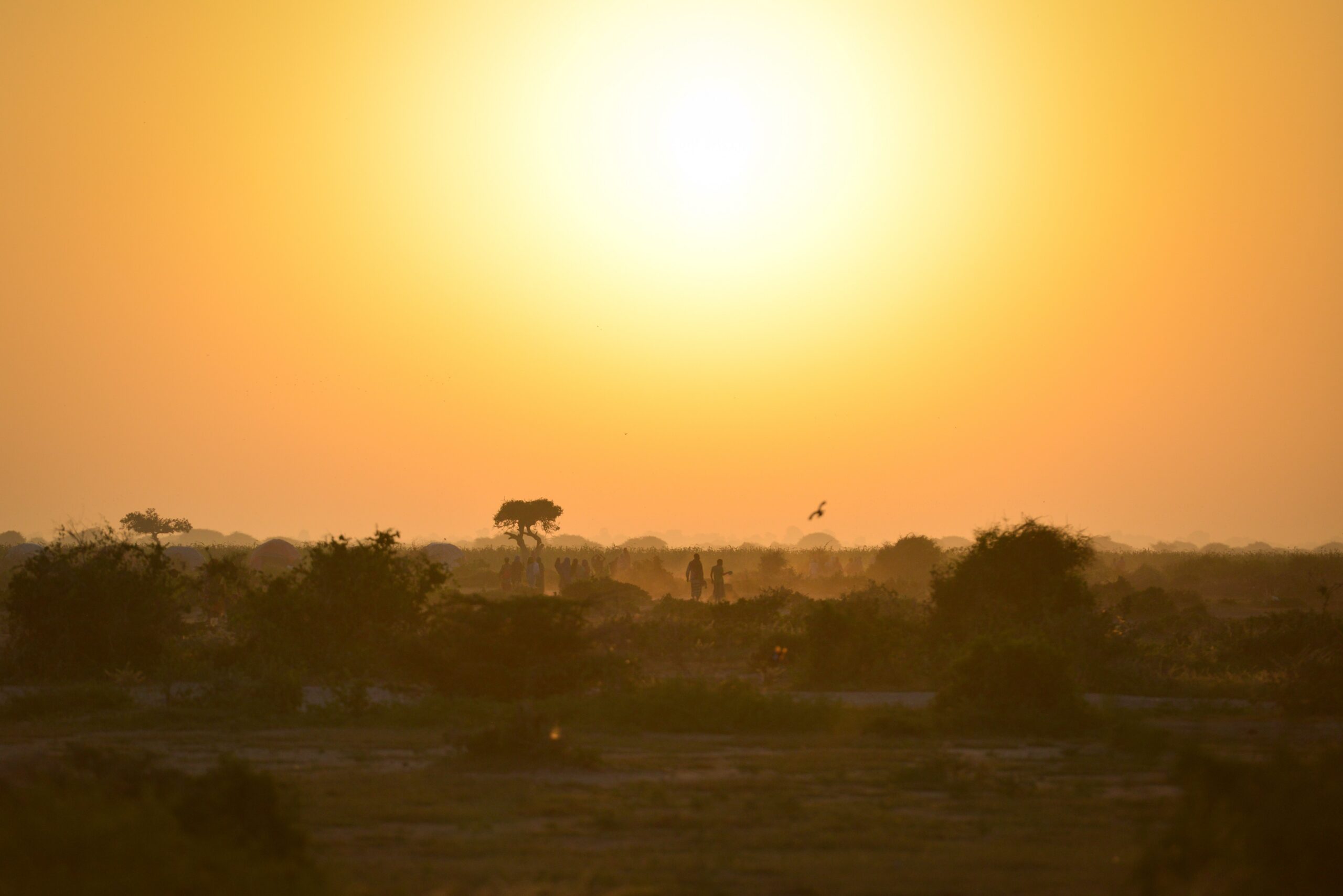
Somalia alone requires US$55.5 billion of investment between now and 2030 to mitigate climate change and its effects. Around 2/3rds of Somalis depend on pastoralism and subsistence agriculture, but the land they live on is prone to droughts and floods that cause hunger, kill herds and destroy property. In 2019, one of the driest years in the last three decades, 2 million Somalis were left at risk of starvation. In 2020, Somalia faced further flooding and cyclones, displacing over 650,000. Disruption to seasons and extreme weather have also increased biodiversity loss in what is the largest biodiversity hotspot in the Horn of Africa.

Threats to peace and security
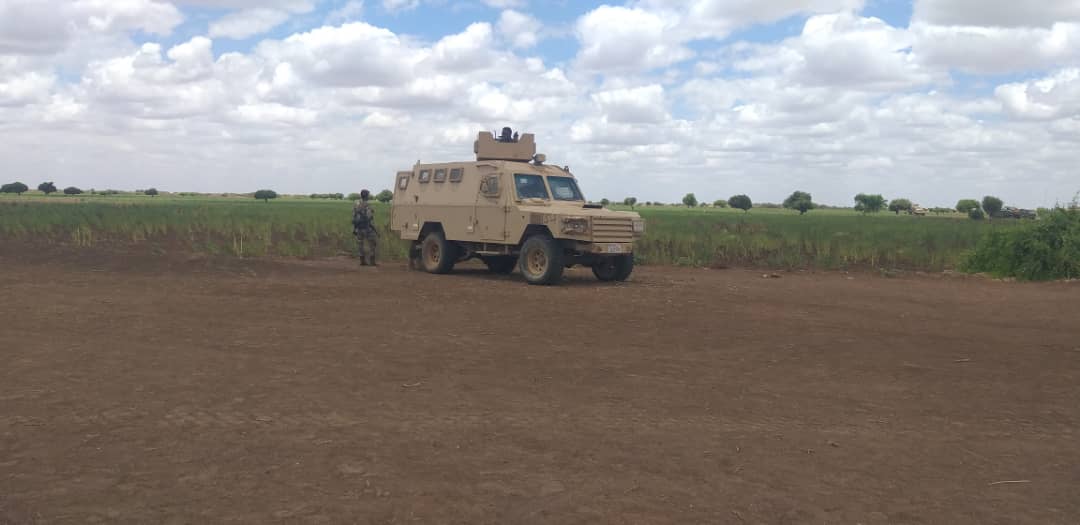
The impacts of climate change also threaten security. As erratic weather patterns make traditional livelihoods impossible in many areas, people are more vulnerable to recruitment by armed groups like Al-Shabab, which can provide an alternative source of income. At the same time, increasing competition for shrinking resources raises the chance of conflict — especially when large numbers of people are forced to migrate to new areas to escape natural disasters. According to the Office for the Coordination of Humanitarian Affairs, 2.6 million people are currently displaced within Somalia.
Somalia’s voice at COP 26
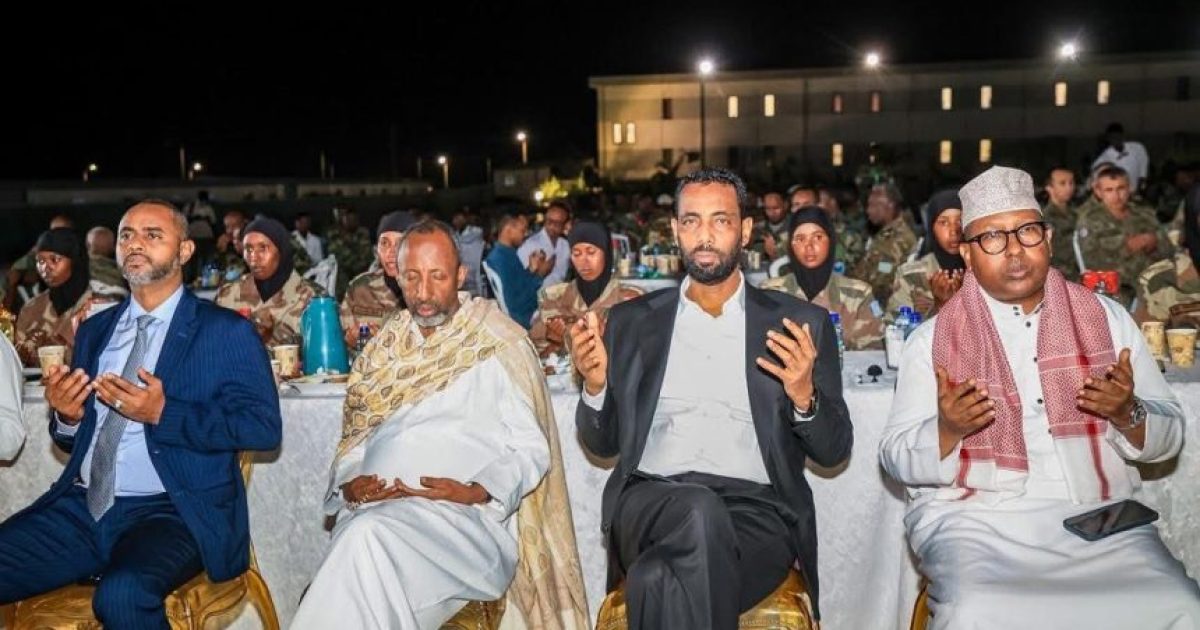
UNDP is supporting Somalia to send a delegation to COP 26. The delegation will help advocate on behalf of least developed countries and also showcase Somalia’s impressive Nationally Determined Contribution (NDC), developed with support from UNDP’s Climate Promise programme, an initiative that is supporting 120 countries to reduce emissions and adapt to climate change.
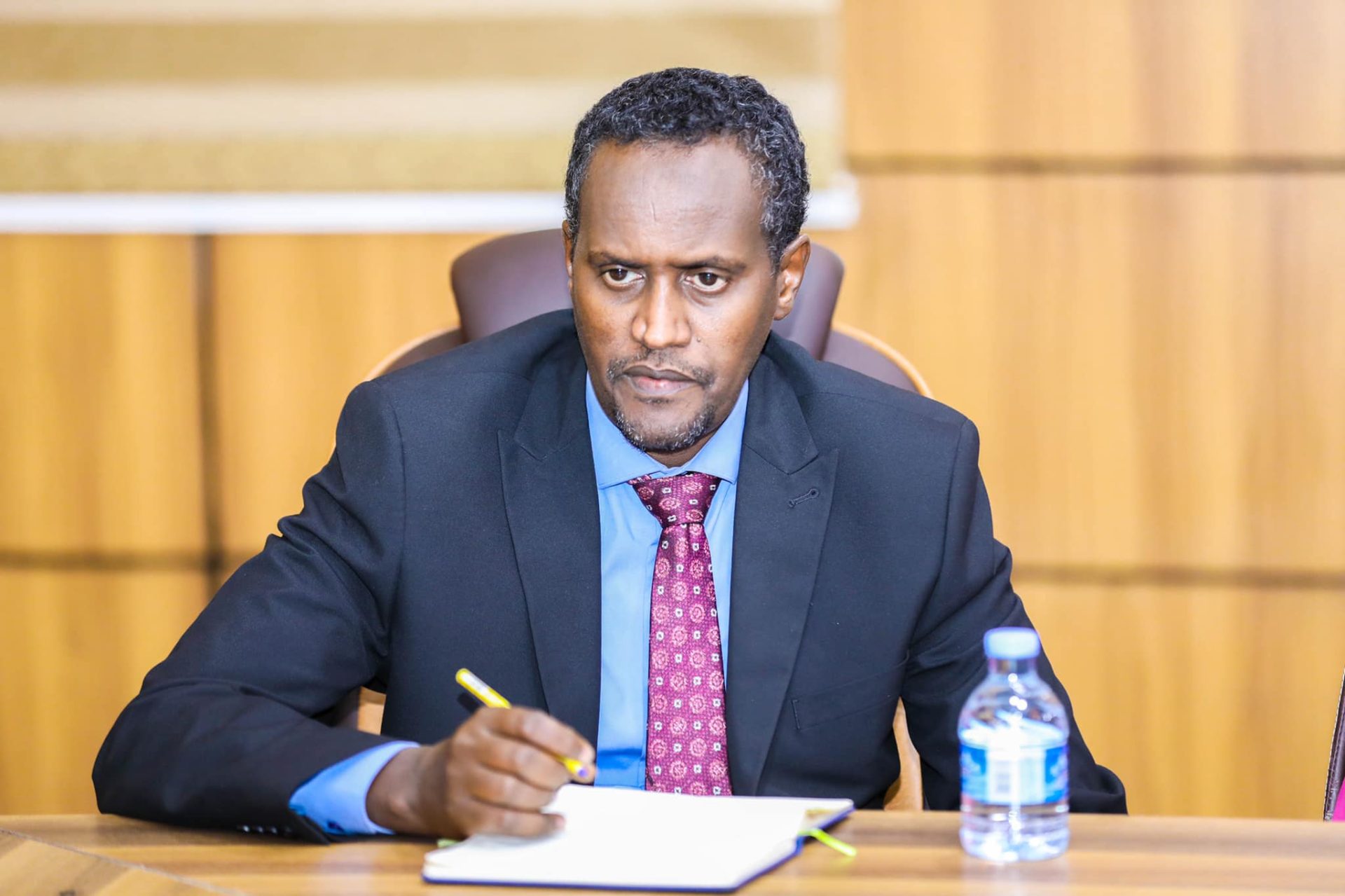
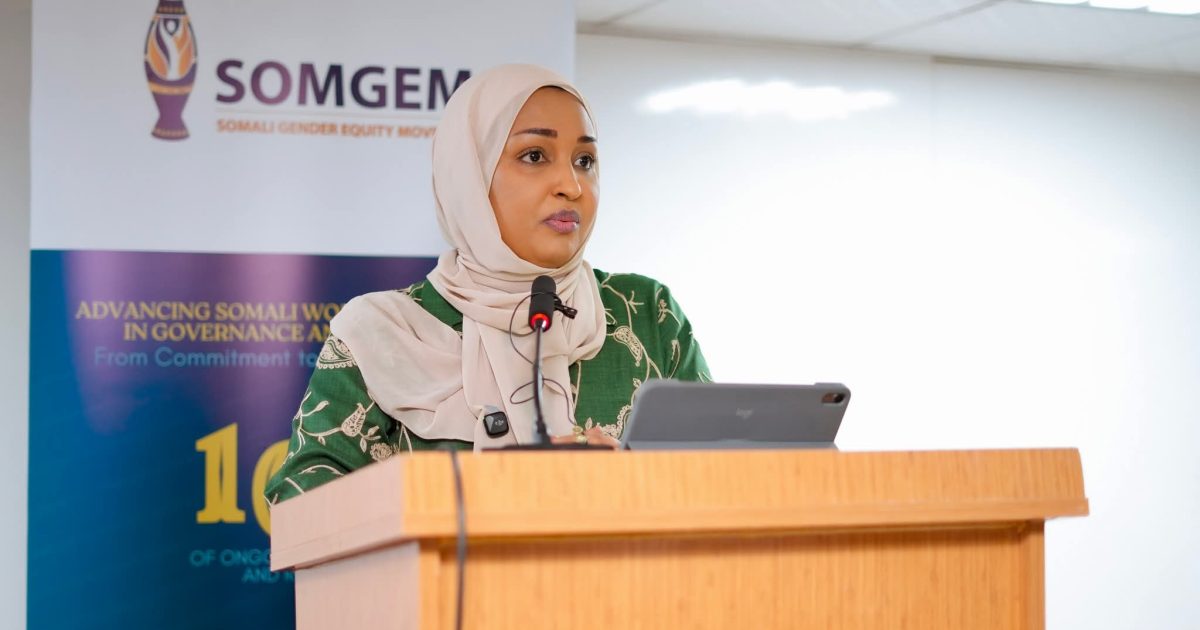
“We recognise the urgency to address climate-related security risks in the country and see the NDCs as a platform for building community resilience and recovering from protracted instability,” Deputy Prime Minister Gulaid H.E. Mahdi Mohammed Gulaid will tell a special side event at the conference organised by UNDP on 3rd November.
“Somalia is a country, where the impacts of climate change are increasingly undermining social and economic stability and national security. Therefore, addressing climate change will help achieve peace and stability in the country,” he will emphasise.
UNDP’s climate-related work in Somalia
Somalia’s NDC has been submitted to the UNFCCC with clear targets and actions to achieve Net Zero. But urgent funding is needed to strengthen policies and institutional frameworks.
As well as supporting the government to produce its NDC, UNDP is working with relevant ministries and other partners to help realise these ambitious plans. This includes:
· Supporting the government to design and implement strategies for water management, disaster risk reduction and early disaster warning systems.
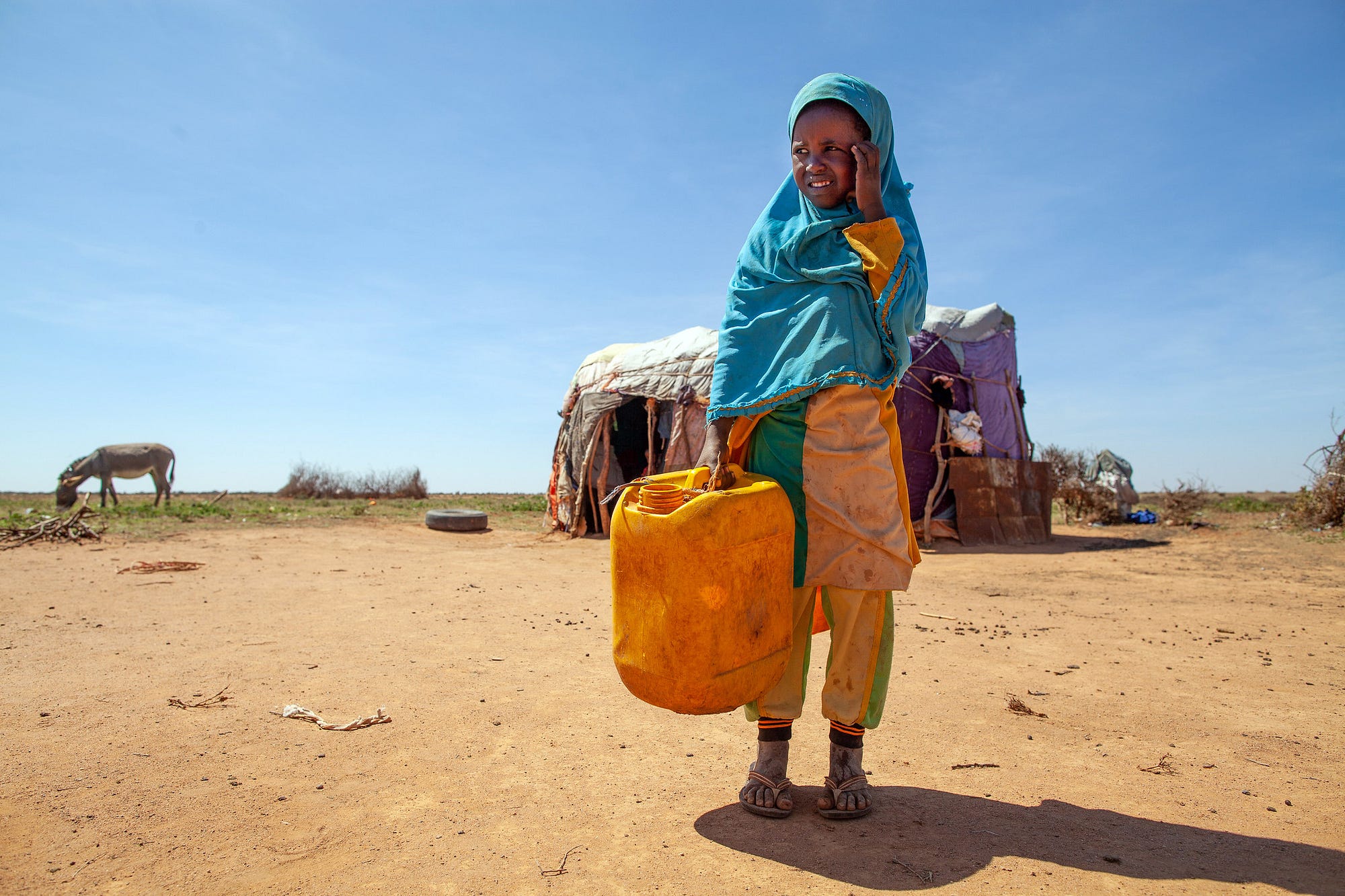
· Helping communities adapt to the climate change through the provision of water and by protecting land
· Cutting emissions by promoting alternative energy, seeding low-carbon technologies into local markets and fighting charcoal production.